
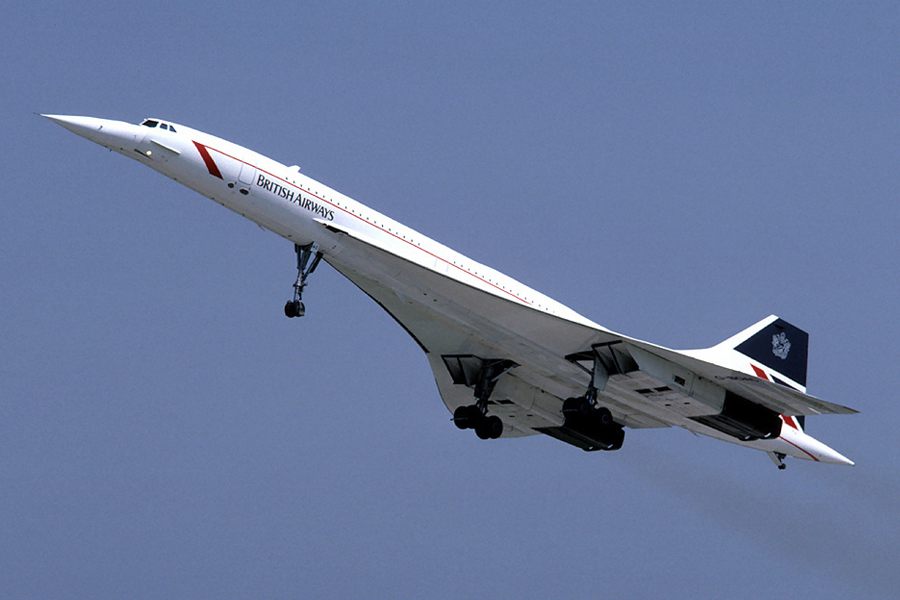
For decades, the Concorde was the icon of what was possible in supersonic aviation, cutting transatlantic flight times in half and capturing the imagination of travelers around the world. But after it was grounded in 2003, it seemed to many that the dream had died. Now, thanks to a new generation of aerospace innovators and a renewed appetite for speed among travelers, the supersonic jet is poised for a dramatic comeback, and this time private aviation may (eventually) benefit.
“Boom” is more than just the sound barrier being broken.
At the forefront of the resurgence in supersonic flight is Boom Supersonic, a Colorado based company developing a Mach 1.7 airliner called “Overture” designed to carry 64 to 80 passengers at twice the speed of current commercial jets. And while Boom’s initial focus is on commercial routes, implications for private jet travel are clear.
Boom also introduced a one-third scale demonstrator which has completed ground testing and is slated for flight trials. “Overture” is targeting first flights later this decade, with certification planned around 2029.
In sync with Boom’s development plans, other manufacturers like Bombardier are continually advancing technology and aircraft speed in sync with customer interest and demand.
The Business Case for Supersonic Private Travel
Time is the ultimate luxury. Shaving hours off transcontinental or transoceanic flights isn’t just a convenience, it can foster strategic business advantages. Imagine a New York hedge fund manager able to have an important breakfast meeting in London and getting home by dinner. Or a film executive attending a Cannes premiere with investors and being back in Los Angeles for meetings the next morning. The possibilities are endless.
The demand for time compression in business is fueling interest from private aviation operators and OEMs alike. The economics may not work for mass air travel just yet, but for clientele used to private jets and flexible, custom itineraries, it absolutely does.
Beyond Technology, What Will Make This Feasible?
- Regulation
Supersonic flight over land is still prohibited due to sonic boom noise. Until quieter boom mitigation tech proves reliable, route maps are limited.
- Infrastructure
Runways, hangars, and servicing standards must evolve. FBOs and MROs will need to invest in high-speed compatible infrastructure.
- Fuel & Sustainability
Supersonic jets burn more fuel – sometimes two times as much. Companies will need 100% SAF compatibility, but supply chains are still immature.
- Cost
A supersonic private jet will likely cost upwards of $100M+, with operational costs that could dwarf current ultra long-range models. This may limit the available buyer pool to a specific, smaller segment.
What This Means for the Private Jet Industry
If even one or two of companies cross the finish line by the early 2030s, private aviation could change dramatically. Charter firms, jet card providers, and fractional ownership platforms will need to:
- Develop new pricing models for supersonic flight time.
- Rebuild route networks optimized for sonic boom corridors.
- Train crews and maintenance teams on next-gen technologies.
- Form alliances with manufacturers to ensure early access for VIP clients.
The appetite is already there, and the tech is catching up. Now brokers and advisors in the industry need to plan the business model.
While we’re still several years from seeing supersonic private jets take to the skies, the runway is certainly being cleared. Leaders in the private jet world are poised to break the sound barrier once more.