
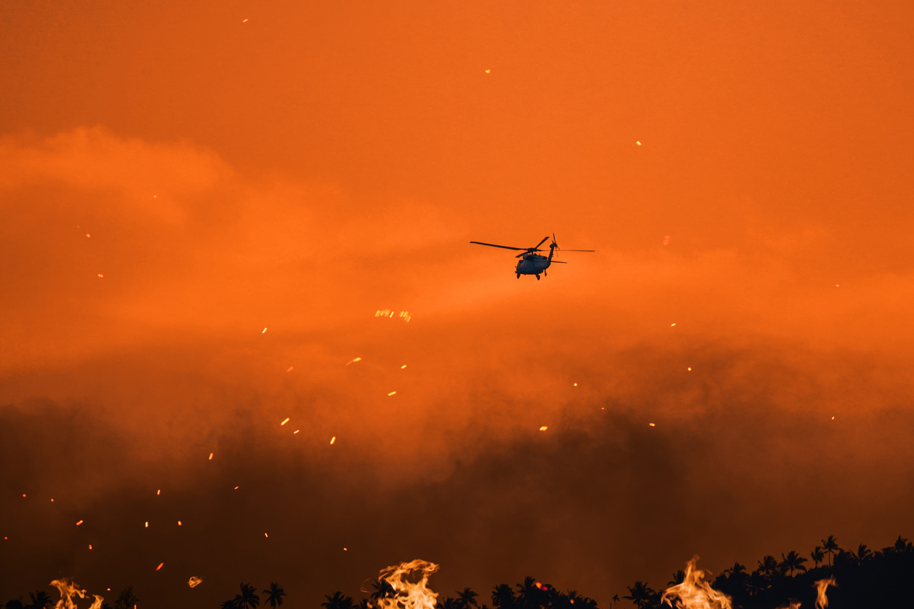
Most of the time, we try to keep our blogs on the lighter side of private jet travel, but in the wake of the January Wildfires in California, we’ve fielded a steady stream of questions about how such emergency conditions can impact our sector. Today we’ll share some of that information with you.
Airspace Restrictions and Flight Delays
When wildfires erupt, the Federal Aviation Administration (FAA) often imposes Temporary Flight Restrictions (TFRs) over affected areas. These TFRs are designed to prioritize firefighting aircraft and ensure safety, but they also disrupt private jet routes. For instance, flights between major hubs like Los Angeles and San Francisco may face detours, causing delays and increased fuel costs. Additionally, the dense smoke can lead to reduced visibility, further complicating flight operations.
Airport Closures
Smaller regional airports—often favored by private jet travelers for their convenience—can be particularly vulnerable during wildfires. Airports like Santa Barbara Municipal or Napa County Airport might temporarily close due to nearby fires or poor air quality. This forces private jets to reroute to larger airports, potentially reducing the exclusivity and efficiency that private aviation offers.
Aircraft Maintenance Challenges
The ash and particle matter generated by wildfires pose risks to aircraft engines and systems. Prolonged exposure to smoky conditions can lead to clogged air filters, corrosive damage, and increased maintenance needs. Private jet operators must invest more in inspections and cleaning, which can result in higher operational costs and downtime for the aircraft.
Flexibility and Know How
Private aircraft owners and operators have had to employ patience, flexibility and know how in managing the California wildfire crisis. Teams are set up to study, plan and execute operations based on constantly changing parameters to keep travelers moving and safe.