
In aviation, weight is everything. Every kilogram shaved off a private jet’s frame can translate into increased fuel efficiency, longer range, and enhanced performance. That’s why advanced materials like carbon fiber and composite alloys are at the forefront of contemporary aircraft design. As the private jet industry continues to push the limits of luxury, advanced technology, material and innovation are pushing aircraft capabilities.
Carbon Fiber – Strength and Performance
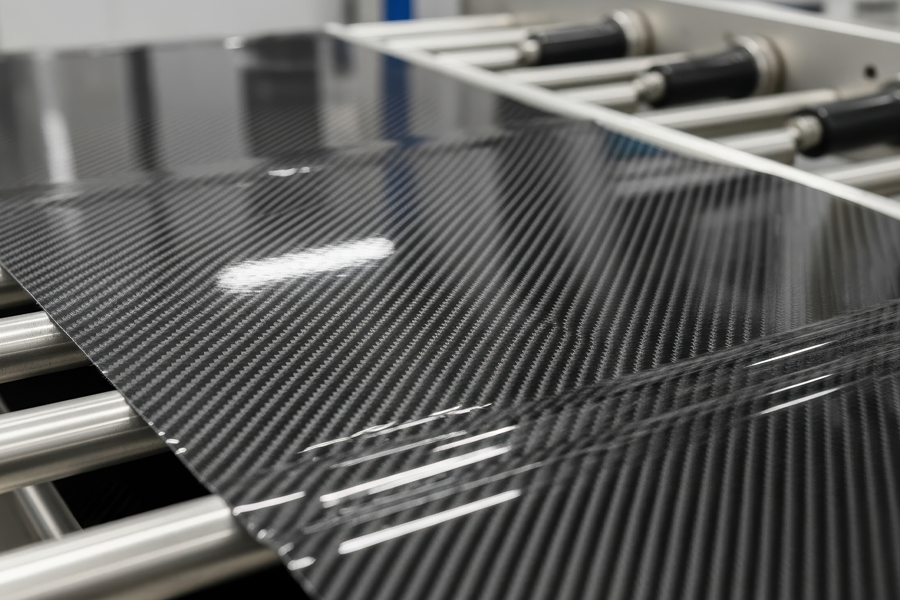
Once reserved for Formula 1 cars and spacecraft, carbon fiber is now a primary component of modern jet engineering. Composed of thin strands of carbon, woven together and set in resin, carbon fiber boasts an unbeatable strength-to-weight ratio. It’s five times stronger than steel yet significantly lighter than aluminum, a traditional the metal of choice for aircraft.
Private jets like Bombardier’s Global series use carbon fiber extensively in wing design and control surfaces. This shift has had major implications for the industry as carbon fiber wings are not only lighter but also more aerodynamically efficient, allowing for a trifecta of benefits – longer range, higher speeds and burning less fuel
Composite Fuselages – Less of a Drag
Materials made from two or more substances with differing properties are called composites. These advanced materials are now being used to construct entire aircraft fuselages. By blending fibers like carbon or glass with a resin matrix, manufacturers can create structures that resist corrosion, fatigue, and extreme temperatures better than any metal.
Unlike traditional riveted aluminum frames, composite fuselages can be molded in larger, single-piece sections that reduce the need for joints and fasteners, which means less weight and less drag. For private jet owners, that translates into smoother rides, lower maintenance, and reduced operating costs over time.
Improved Sustainability – Continuous Improvement
The use of carbon fiber and composites has enabled the private jet industry to continue its march to greater sustainability.
Lighter jets with advanced materials and optimized aerodynamics, can reduce overall fuel consumption by up to 20%.
With less weight comes better lift meaning jets can fly farther without refueling. This has dramatically changed owners’ ability to make long-haul business or leisure trips.
All these advances combine to make more room for passengers, baggage, or onboard amenities without compromising range or efficiency.
This trend to lower fuel burn results in fewer emissions, helping private aviation reduce their environmental footprint.
It’s What’s Inside That Counts
Advanced materials aren’t just changing aircraft exteriors, they’re transforming what’s possible inside the cabin, too. The strength and flexibility of composites allow for more spacious and open interior layouts. Curved walls, larger windows, and ultra-thin partitions are easier to achieve without compromising safety or structural integrity.
Designers can now offer clients more luxurious and personalized interiors, from expansive lounges to spa-like bathrooms, all without adding unnecessary weight.
More Innovation Ahead
As aerospace engineers continue to seek new alternatives, the next level of performance includes new hybrid materials, graphene composites, and even bio-based resins. As these developments contribute new advantages to making jets even lighter, stronger, and more sustainable, the industry and its owners will continue to benefit.
Smarter performance, greater efficiency, and return on investment will rule the day.