
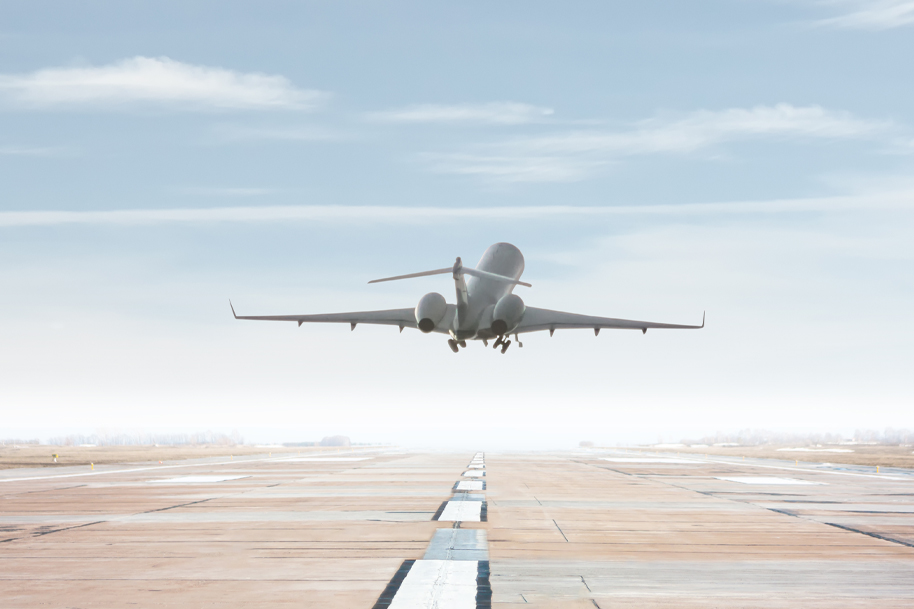
For most people lucky enough to travel by private jet, it seems like a simple process. Arrive for departure, board, relax and enjoy. What makes that true is an enormous amount of behind-the-scenes effort and preparation that passengers will likely never even think about. We asked Josh Dodd, COO of Avionco Aircraft Management – experts in Bombardier Global 8000 Entry Into Service and Global 7500 Fleet Management – to walk us through what it really takes to get a flight airborne. Here’s what we learned.
Every flight must go through an intricate sequence of technical procedures in order to get underway. When all the systems of a sitting jet are shut down, crews sometimes refer to it as “cold and dark”. Bringing it from that silent state to full flight readiness involves hundreds of checks, automated tests, and carefully coordinated actions between pilots, avionics systems, and ground crews.
That “Cold and Dark” State
When a business jet has been parked overnight or between flights, most systems are powered down completely. Cabin lighting is off, avionics displays are blank, and of course engines are inactive. Depending on the aircraft and operating conditions, external power may be connected from a ground power unit (GPU), or the aircraft may rely initially on its onboard batteries. It’s a very still environment… until it has to be woken up to receive passengers and take off for global destinations.
Before passengers even arrive, the flight crew typically begins with a thorough exterior inspection known as the “walk-around.”
This includes checking:
- Tire condition and inflation
- Landing gear integrity
- Fuel quantity and fuel cap security
- Hydraulic leaks
- Engine inlet and exhaust condition
- Ice, snow, or contamination on surfaces
- Static ports and sensors
- Flight control surfaces and hinges
Even aircraft as highly advanced as today’s sophisticated business jets still rely heavily on visual inspection. A small issue spotted on the ground can prevent a major operational problem later.
Time to Wake Up
Once onboard, pilots begin the aircraft power-up sequence. The cockpit of a modern private jet is essentially a flying data center. Before engines can even start, the aircraft’s electrical systems must be energized in a specific order.
Typical startup steps include:
- Activating battery power
- Connecting external electrical power if available
- Initializing avionics systems
- Powering flight displays
- Starting onboard computers
- Verifying circuit protection systems
- Running built-in diagnostic tests
On modern aircraft such as the Bombardier Global 8000 or 7500, the cockpit quickly fills with digital information as systems and displays come alive.
Flight management systems (FMS), navigation databases, communications systems, weather radar, terrain awareness systems, and electronic checklists all begin their initialization routines. Many systems automatically perform self-tests, alerting pilots to any abnormal conditions before the aircraft can depart.
Avionics Initialization and System Checks
Today’s private jets contain extraordinarily sophisticated avionics suites designed to enhance safety, efficiency, and situational awareness.
Before taxi, crews systematically verify that these systems are operating correctly.
Checks often include:
- Navigation system alignment
- GPS signal confirmation
- Flight control checks
- Autopilot testing
- Brake pressure verification
- Hydraulic system status
- Fuel balance checks
- Cabin pressurization settings
- Weather radar operation
- Anti-ice system readiness
The amount of information being processed is remarkable. In many aircraft, dozens of computers communicate simultaneously through integrated avionics networks.
Pilots also confirm there are no active maintenance alerts or deferred issues that would affect the flight. Even though much of the process is automated, crews still follow highly structured checklists to ensure nothing is overlooked.
Loading the Flight Plan
One of the most critical stages before departure is programming the aircraft’s route into the Flight Management System.
The crew enters or uploads:
- Departure airport information
- Planned route
- Cruising altitude
- Weather data
- Fuel calculations
- Alternate airports
- Runway selection
- Standard instrument departures (SIDs)
- Arrival procedures
The system then calculates performance figures including:
- Required runway length
- Takeoff speeds
- Climb performance
- Fuel burn projections
- Weight and balance limitations
On long-range aircraft capable of intercontinental missions, these calculations become especially important because fuel loads and environmental conditions can dramatically affect aircraft performance.
Weather is also carefully reviewed at this stage. Pilots analyze:
- Winds aloft
- Thunderstorm activity
- Turbulence forecasts
- Icing conditions
- Visibility
- Runway conditions at departure and destination airports
This information helps crews make operational decisions before the aircraft ever begins moving – all behind the scenes as far as the passengers are concerned.
Consider everything we’ve listed already, and we haven’t even started the engines yet!
Preparing for Engine Start
Before engines can start safely, several additional procedures must occur.
The aircraft may require:
- Clearance from ground control
- Passenger safety briefing completion
- Cabin secure checks
- Door verification
- Fuel pump activation
- Hydraulic pressure stabilization
Ground crews may remove wheel chocks and disconnect external power units during this phase.
Depending on the aircraft type, engine starts may use:
- Auxiliary Power Units (APUs)
- Pneumatic air systems
- Electric starter-generators
The APU itself is essentially a small turbine engine that provides electrical and pneumatic power while the main engines remain off.
Okay, NOW We Can Fire Up the Engines
Starting a turbine engine is a carefully monitored process.
Pilots observe multiple engine parameters in real time, including:
- N1 and N2 spool speeds (measures fans, turbines and compressors)
- Exhaust gas temperature (EGT)
- Fuel flow
- Oil pressure
- Engine vibration levels
A normal engine start follows a tightly controlled sequence:
- Starter engages
- Compressor begins spinning
- Fuel introduced
- Ignition activated
- Engine stabilizes at idle
If temperatures rise too quickly or spool rates fall outside acceptable ranges, pilots may abort the start immediately.
Modern engines are highly reliable, but crews remain vigilant during every start cycle.
Still with us on this process for flight preparation? The level of detail is staggering, but professional operators and their teams do all this for EVERY flight.
From Parked to Moving
Once engines are stable, the aircraft begins transitioning from parked aircraft to active flight operation.
Before taxiing, crews complete additional checks involving:
- Flight controls
- Brakes
- Flight instruments
- Steering systems
- Flap settings
- Trim configuration
- Takeoff briefing review
The crew then contacts ground control for taxi clearance.
Taxi itself may appear simple from the viewpoint of passengers in the cabin, but it requires constant coordination and awareness. Pilots navigate complex airport layouts while monitoring other aircraft, vehicles, runway crossings, and changing instructions from air traffic control.
As the aircraft approaches the runway, final checks occur before takeoff clearance.
These include:
- Engine performance verification
- Flight instrument cross-checks
- Cabin readiness confirmation
- Final takeoff configuration review
- Exterior lighting adjustments
Only once every item is confirmed does the aircraft receive clearance to depart.
Clear for Takeoff!
Wow, we hope this gives you an idea of how complex and sophisticated private jet flight is behind the scenes. Every single flight has this level of operational detail, while at the same time providing passengers with worry free, luxurious comfort for their travels.
About Avionco
Formed in 2000 by Mike Dodd and Josh Dodd, Avionco is a premier aircraft services provider, purpose-built to serve aircraft owners whose business and lifestyle needs require impeccable service and efficiency in everything they do.
Josh Dodd, COO, leads day to day operations with a team of dedicated senior management professionals delivering a complete suite of flight management services including Pilot and Crew selection, In-Flight and Ground Operations, Safety and Compliance, and Entry Into Service (EIS). Learn more at www.avionco.com