
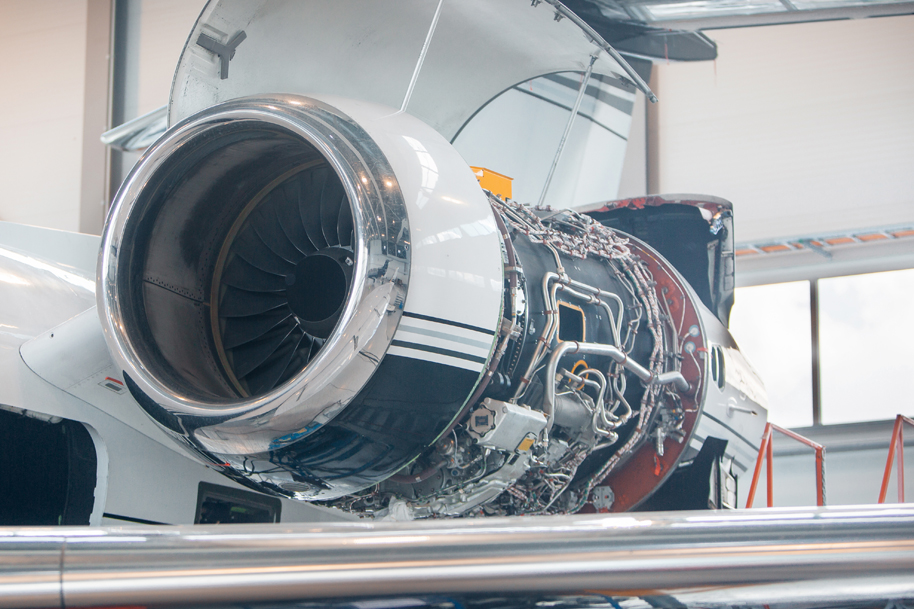
When most people admire a private jet, they notice things like the lines, the wings, and the engines. What they rarely consider is the material science beneath the surface. What’s it made of?
In this blog, let’s take a look at how these wonders of the sky are constructed and engineered to balance strength, weight, durability, and longevity. From traditional aluminum alloys to advanced carbon composites, decades of materials innovation used in private jet construction directly affect performance, range, operating costs, and even cabin comfort.
Aluminum Alloys: The Foundation of Jet Construction
For much of aviation history, aluminum alloys have been the backbone of aircraft structures – and for good reason.
Why Aluminum Is Still Widely Used
Aluminum alloys offer:
- Excellent strength-to-weight ratios
- Predictable fatigue behavior
- Ease of inspection and repair
- Proven long-term durability
Most private jets still rely heavily on aluminum for:
- Fuselage skins
- Wing structures
- Frames and stringers
Manufacturers continually refine aluminum alloys to improve crack resistance and fatigue life, especially for jets that experience frequent pressurization cycles.
Carbon Composites: Transforming What’s Possible
Over the last two decades, carbon fiber reinforced composites have transformed private jet design.
What Are Carbon Composites?
Carbon composites consist of:
- High-strength carbon fibers
- Embedded in a resin matrix
- Laid in precise orientations to handle specific loads
Unlike metal, composites can actually be engineered to be strongest exactly where needed.
Lighter and stronger
Compared to aluminum, carbon composites:
- Are significantly lighter for the same strength
- Allow fewer structural components
- Reduce the need for fasteners and joints
Lower weight translates directly into:
- Longer range
- Higher cruise altitude
- Lower fuel burn
- Greater payload flexibility
This is why modern long range private jets increasingly rely on composite wings, control surfaces, and tail structures.
Durability and Fatigue Advantages
Composites offer key durability benefits:
- Excellent fatigue resistance
- Not susceptible to cracking like metal
- Greater resistance to pressurization cycling
They also allow smoother aerodynamic shapes, improving efficiency and reducing drag.
Corrosion Prevention
Aircraft live in harsh environments:
- Moisture
- Temperature extremes
- De-icing fluids
- Salt-laden coastal air
Since composites don’t corrode, this provides manufacturers with significant advantage over metal. However, while composites themselves don’t corrode, they do introduce new challenges:
- Galvanic corrosion (when composites contact metal)
- Moisture ingress into resin systems
Engineers mitigate these risks using:
- Isolation layers between materials
- Specialized fasteners
- Advanced resin systems
Hybrid Structures: The Best of Both Worlds
Most modern private jets use hybrid construction, combining:
- Aluminum for damage tolerant, easily repairable areas
- Composites for high-load, weight-sensitive structures
This approach allows manufacturers to tailor materials to each part’s function rather than relying on a single solution.
Future Materials in Private Jet Development
The next generation of private jets will likely incorporate even more advanced materials. Here are some examples:
Thermoplastic Composites
Unlike traditional composites, thermoplastics:
- Can be reheated and reshaped
- Allow faster manufacturing
- Improve impact resistance
- Sustainability in terms of easier recyclability.
Advanced Aluminum-Lithium Alloys
New aluminum-lithium alloys:
- Reduce weight further
- Increase stiffness
- Improve fatigue resistance
These alloys are already appearing in both commercial and business aviation.
Nanomaterials and Smart Structures
Research is underway into:
- Nanomaterial reinforced composites
- Embedded sensors for real time structural monitoring
- Self healing materials that repair micro-cracks
These technologies could dramatically reduce maintenance costs and improve long-term safety.
As new materials continue to advance, private jets will become lighter, stronger, and more durable, quietly advancing the boundaries of what business aviation can achieve.